
“`html
How AI-Powered Marketing is Transforming Travel & Hospitality
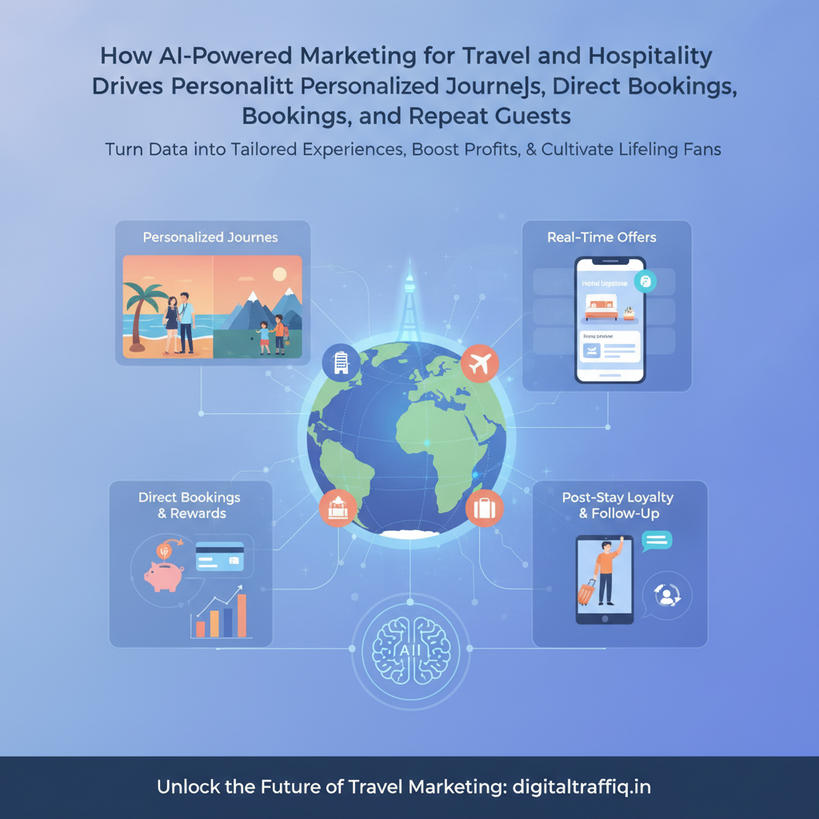
- Personalization at scale: AI enables travel brands to tailor every interaction using real-time data and behavioral signals.
- Direct booking advantage: Dynamic pricing and AI-driven incentives shift power away from OTAs, boosting profitability.
- End-to-end guest journey: From pre-trip inspiration to post-stay follow-up, AI enhances satisfaction and loyalty.
- Practical tools available now: Recommendation engines, chatbots, and automation are accessible even for smaller operators.
The modern traveler doesn’t just book a trip—they expect an experience tailored to their preferences, from the first search to the post-stay follow-up. Yet, many travel and hospitality brands struggle to meet these expectations, relying on static marketing campaigns that miss the mark. Enter AI-powered marketing: a game-changer that turns data into meaningful, personalized interactions. By leveraging artificial intelligence, travel brands can craft seamless journeys that not only drive direct bookings but also cultivate loyal, repeat guests.
Why AI is Essential for Travel and Hospitality Marketing
The travel industry operates in a hyper-competitive space where customer loyalty is hard-earned and easily lost. Traditional marketing methods—like broad email blasts or generic social ads—simply don’t cut it anymore. Today’s consumers demand relevance, and AI makes that possible at scale.
AI travel marketing allows you to analyze massive amounts of data—past bookings, browsing behavior, social engagement, and even real-time context like weather or local events. This data enables you to predict what your customers want, when they want it, and how they want to be contacted. The result? Marketing that feels like a service, not a sales pitch.
Personalized Journeys: From First Click to Checkout
Personalization is the heart of modern travel marketing, and AI is the engine that drives it. By using travel personalization AI, you can deliver hyper-relevant content at every stage of the customer journey.
Pre-Trip Inspiration and Search
When a potential guest visits your website, AI can detect their intent. Are they planning a romantic getaway, a family vacation, or a solo adventure? By analyzing their browsing patterns and past interactions, AI-powered tools can adjust your site’s content in real-time, showcasing relevant destinations, packages, and offers.
For example, a returning guest who previously booked a beach resort might see a curated collection of coastal deals on their next visit. This level of attention makes your brand feel intuitive, increasing the likelihood of a direct booking.
Real-Time Offer Optimization
Imagine a traveler searching for flights to Paris but hesitating to book a hotel. With hospitality marketing automation, you can trigger a personalized offer—say, a discounted room upgrade or a complimentary breakfast—at the exact moment they’re most likely to convert. AI-driven travel campaigns analyze user behavior and engagement patterns, allowing you to optimize offers in real time, maximizing conversions and reducing cart abandonment.
Driving Direct Bookings Through AI-Powered Marketing
One of the biggest challenges for hotels and travel companies is the reliance on Online Travel Agencies (OTAs), which take substantial commissions. Direct bookings are more profitable, but they require a compelling reason for guests to bypass third-party sites. AI helps level the playing field.
Dynamic Pricing and Incentives
AI can analyze market demand, competitor pricing, and individual guest willingness to pay, enabling you to offer dynamic pricing and tailored incentives. A guest who has visited your site multiple times without booking might receive a personalized discount, while a high-loyalty member could get a special suite upgrade. These AI-powered direct booking strategies not only drive conversions but also foster a sense of value that OTAs can’t match.
Seamless, Personalized Booking Experience
AI also optimizes the booking process itself. By personalizing the checkout experience—pre-filling forms, remembering preferences, and suggesting add-ons like spa packages or airport transfers—you reduce friction and make direct booking the obvious choice. When guests see that you remember their pet’s name or their preferred pillow type, they’re far less likely to shop around.
Enhancing Guest Engagement and Satisfaction
Personalization doesn’t end at the booking confirmation. AI guest experience optimization ensures that your marketing efforts extend into the stay itself, creating memories that turn one-time visitors into lifelong fans.
In-Stay Personalization
Once on-site, AI can power mobile apps or smart-room technology that adjusts temperature, lighting, and entertainment based on guest preferences. More importantly, it can trigger personalized recommendations—such as suggesting a quiet restaurant table after a long flight or alerting a family about kids’ club activities. These thoughtful touches elevate the guest experience and generate positive reviews and referrals.
Post-Stay Follow-Up and Retention
After departure, AI-driven hospitality customer retention tools analyze the guest’s experience and identify opportunities for future engagement. Send a personalized thank-you email with a photo from their stay, or a tailored offer for their next visit based on their usage patterns. AI can also predict when a guest is likely to return and proactively send a special incentive to nudge that booking—greatly improving customer lifetime value.
Real-World Applications of AI in Tourism Marketing
While the possibilities are vast, practical examples help ground these concepts. Consider:
- Recommendation Engines: Suggestion algorithms like those used by Netflix can be adapted for travel, recommending destinations, activities, and dining options that align with a guest’s stated interests.
- Chatbots and Virtual Assistants: AI-powered chatbots can handle booking inquiries, provide instant recommendations, and resolve issues 24/7, enhancing the guest experience while freeing up staff.
- Automated Multi-Channel Campaigns: Using AI, you can coordinate email, SMS, social media, and web notifications into a cohesive, automated campaign that adapts based on user interaction. This ensures your message is always timely and relevant.
“AI is not just for the enterprise players – mid-sized hotels and boutique brands can now harness smart tools to deliver five-star personalization.”
Overcoming Challenges and Getting Started
Embracing AI in marketing can feel daunting, especially for smaller hospitality businesses. However, modern AI tools are increasingly user-friendly and can integrate with existing CRM and marketing platforms. Start by identifying your most repetitive or data-heavy tasks—such as segmenting audiences or analyzing booking patterns—and explore how AI can streamline them.
Data privacy is also a concern. Ensure you are transparent about your data collection practices and comply with regulations like GDPR. Use AI to enhance, not invade, the customer relationship. When done correctly, AI builds trust by delivering genuine value.
Conclusion: Embrace AI to Stay Ahead in Travel and Hospitality
The travel and hospitality industry is evolving, and AI is no longer a luxury but a necessity. From personalized journeys that delight from the start, to direct booking engines that boost your bottom line, and retention strategies that keep guests coming back, AI empowers you to think a few steps ahead of your customers’ needs.
By integrating AI travel marketing, hospitality marketing automation, and smart data analysis into your digital strategy, you can create meaningful connections that transcend the transactional. With AI as your co-pilot, you’ll not only meet guest expectations—you’ll exceed them, securing a loyal base of travelers who see your brand as their first choice for every journey. The future of travel marketing is intelligent, and it starts now.
💡 Explore more: Learn how AI marketing strategies can further reduce OTA dependency. See also personalization benchmarks.
“`